
Best Time to Do the Salkantay Trek to Machu Picchu
The Salkantay Trek to Machu Picchu is one of the most impressive trekking routes in Peru. It connects high Andean mountains, turquoise lagoons, cloud forests, small local communities and the final reward of visiting Machu Picchu, one of the most famous archaeological sites in the world. However, one of the most common questions travelers ask before booking is: what is the best time to do the Salkantay Trek?
Choosing the right season can make a big difference in your experience. Weather conditions in the Andes can change quickly, and the Salkantay route crosses different altitudes and landscapes. During the trek, travelers may experience cold mornings, strong sun during the day, fog, rain, wind and humid valleys depending on the month of travel.
In this complete guide, we explain the best months to hike the Salkantay Trek, the difference between dry season and rainy season, what kind of weather to expect, what to pack, when to book in advance and which Salkantay tour option may be better depending on your travel style.
If you are already planning your route, you can also review our Guided Salkantay Trek 5 Days to Machu Picchu, one of the most complete options for travelers who want local guidance, organized logistics and a full trekking experience from Cusco to Machu Picchu.
When Is the Best Time to Do the Salkantay Trek?
The best time to do the Salkantay Trek is generally during the dry season, from April to October. During these months, the weather is usually more stable, the trails are easier to walk, and travelers have a better chance of enjoying clear views of the mountains, especially around Salkantay Pass.
The most recommended months are May, June, July, August and September. These months usually offer the best conditions for trekking because rainfall is lower and visibility is better. This is especially important if your main goal is to see snow-capped mountains, take photos of Humantay Lake, enjoy panoramic viewpoints and arrive at Machu Picchu with better weather conditions.
However, the dry season is also the most popular time to travel in Peru. That means there may be more travelers on the route, and services such as Machu Picchu tickets, train tickets, accommodations and transportation can sell out faster. For this reason, booking in advance is highly recommended, especially if you plan to travel between June and August.
Dry Season on the Salkantay Trek: April to October
The dry season is considered the best season for the Salkantay Trek because there is less rain and better visibility. The route is more comfortable for walking, and the chances of enjoying clear views of Salkantay Mountain, Humantay Lake and the surrounding valleys are higher.
During the dry season, the days are usually sunny, but mornings and nights can be very cold, especially in high-altitude camps or mountain areas. Travelers should not assume that dry season means warm weather all day. In the Andes, temperature changes are common, and the difference between daytime and nighttime temperatures can be significant.
One of the biggest advantages of traveling during the dry season is that the trails are usually less muddy. This makes the hiking experience more comfortable, especially on long walking days. It also reduces the risk of slipping on wet paths or dealing with heavy rain during steep sections of the route.
If you want the most classic and complete trekking experience, the Salkantay Trek to Machu Picchu is a strong option to consider. This route is ideal for travelers who want a full Andean adventure before visiting Machu Picchu.
Advantages of the Dry Season
- Better mountain views.
- Lower chance of heavy rain.
- More stable trekking conditions.
- Better visibility for photography.
- More comfortable trails in high-altitude areas.
- Better conditions for visiting Humantay Lake and Salkantay Pass.
Disadvantages of the Dry Season
- More travelers on popular routes.
- Higher demand for Machu Picchu tickets.
- Colder nights in mountain areas.
- Services may sell out faster during high season.
Rainy Season on the Salkantay Trek: November to March
The rainy season usually runs from November to March. During these months, the Salkantay Trek is still possible, but travelers must be more prepared for wet conditions, cloudy skies and possible itinerary adjustments. Rain can happen at any time, although it is more common in the afternoon or evening.
Rainy season does not mean that the trek is always bad. In fact, the landscapes can be very green and beautiful during this time of year. Valleys, forests and agricultural areas often look more alive because of the rain. There are also fewer travelers compared to the dry season, which can be attractive for those who prefer a quieter experience.
However, the main challenge is that trails can become muddy and slippery. Views of the mountains may also be blocked by clouds, especially near Salkantay Pass. Travelers must bring waterproof clothing, good hiking boots, rain covers and trekking poles if possible.
For travelers who want a shorter and more flexible option, the Salkantay Trek 4 Days Independent may be a practical alternative. This option can be suitable for people who want more autonomy while still experiencing the Salkantay route.
Advantages of the Rainy Season
- Greener landscapes.
- Fewer travelers on the route.
- More availability in some services.
- A quieter and more natural atmosphere.
Disadvantages of the Rainy Season
- Higher chance of rain.
- Muddy and slippery trails.
- Cloudy views in mountain areas.
- More preparation required.
- Possible delays or changes due to weather.
Best Months for the Salkantay Trek
Although the Salkantay Trek can be done almost all year, some months are better than others depending on what you are looking for. If your priority is good weather, mountain views and photography, the best months are usually May, June, July, August and September. If you prefer fewer crowds and greener landscapes, April, October and November can also be interesting options.
| Month | Weather | Recommendation |
|---|---|---|
| January | Rainy | Possible, but not ideal due to heavy rain. |
| February | Very rainy | Less recommended for trekking. |
| March | Rain starts to decrease | Possible with good rain gear. |
| April | Transition to dry season | Good month with greener landscapes. |
| May | Dry and clear | Excellent month for trekking. |
| June | Dry and cold nights | Excellent, but high demand. |
| July | Dry and cold | Excellent for views, very popular. |
| August | Dry and stable | One of the best months. |
| September | Dry with mild changes | Excellent and slightly less crowded. |
| October | End of dry season | Good option before rainy season. |
| November | Rain begins | Possible, but bring rain protection. |
| December | Rainy | Possible, but weather is less predictable. |
Best Time to See Salkantay Mountain
If your main goal is to see Salkantay Mountain clearly, the dry season is the best choice. May to September usually provides the highest chance of clear skies and open views. Salkantay Mountain is one of the most impressive peaks in the region, and seeing it without clouds is one of the highlights of the trek.
The section near Salkantay Pass is one of the most important moments of the route. It is also one of the most challenging because of the altitude and cold temperatures. Weather in this area can change quickly, so even during the dry season, travelers should be prepared for wind and cold conditions.
Travelers who want to combine mountain scenery with a less common route may also consider the Salkantay Trek to Vilcabamba Vitkus 6 Days. This route is ideal for those looking for a different adventure connected to history, landscapes and local routes.
Best Time to Visit Humantay Lake
Humantay Lake is one of the most famous places near the Salkantay route. Its turquoise color, surrounded by mountains, makes it one of the most visited natural attractions from Cusco. The best time to visit Humantay Lake is also during the dry season, especially from April to October.
Clear skies make the lake look brighter and more colorful. During the rainy season, the lake can still be beautiful, but clouds and rain may affect visibility. The trail to Humantay Lake can also become slippery when wet, so proper footwear is important.
If you do not have enough time for a multi-day trek, you can choose our Humantay Lake Tour 1 Day from Cusco. This is a great option for travelers who want to experience a beautiful Andean landscape without doing a full trekking route.
Best Time to Visit Machu Picchu After the Salkantay Trek
Machu Picchu can be visited throughout the year, but weather conditions are usually better during the dry season. After several days of hiking, most travelers want to arrive at Machu Picchu with good visibility. For that reason, May to September is often preferred.
However, Machu Picchu is also busier during these months. Tickets should be booked in advance, especially if you are traveling in June, July or August. If you want fewer crowds, April, October or November may be a good alternative, although there is a higher chance of rain in November.
When planning your trek, it is important to consider not only the weather on the trail but also entrance availability for Machu Picchu. A good local operator can help organize the logistics, including transportation, accommodations and entrance coordination.
Is the Salkantay Trek Difficult?
The Salkantay Trek is considered a moderate to challenging hike. The difficulty depends on your physical condition, experience with long walks, altitude adaptation and the specific itinerary you choose. The trek includes long walking days, uphill sections, downhill paths and high-altitude areas.
The most demanding part of the trek is usually the ascent to Salkantay Pass. This section requires effort because of the altitude, cold and distance. Travelers do not need to be professional hikers, but they should be in good physical condition and prepared for several days of walking.
Acclimatization is very important. Before starting the trek, it is recommended to spend at least one or two days in Cusco. This helps your body adjust to the altitude and reduces the risk of altitude sickness during the trek.
For those looking for a more remote and challenging experience, the Salkantay Trek to Choquequirao 6 Days is another adventure route that combines mountain landscapes, history and less crowded paths.
What to Pack for the Salkantay Trek
Packing correctly is essential for the Salkantay Trek because the route includes different climates and altitudes. You may start in cold mountain areas and later descend into warmer cloud forest zones. This means you need to bring layers instead of relying on one type of clothing.
Even if you travel during the dry season, rain protection is still recommended. Mountain weather can change unexpectedly, and being prepared will make your trek more comfortable.
Recommended Packing List
- Waterproof jacket or rain poncho.
- Warm fleece or thermal layer.
- Comfortable trekking pants.
- Hiking boots with good grip.
- Warm hat and gloves.
- Sun hat or cap.
- Sunglasses.
- Sunscreen.
- Insect repellent.
- Reusable water bottle.
- Personal medication.
- Small backpack for daily hiking.
- Rain cover for your backpack.
- Basic toiletries.
- Extra socks.
- Camera or phone with enough battery.
Should You Book the Salkantay Trek in Advance?
Yes, booking in advance is recommended, especially during the dry season. The trek itself may have different availability depending on the type of service, but Machu Picchu tickets and train tickets can sell out quickly during high season.
If you book early, it is easier to organize the right itinerary, secure entrance tickets, arrange transportation and prepare accommodations. It also gives you more time to ask questions and understand what is included in your tour.
At Salkantay Hostel Treks, we are a local tour operator in Cusco focused on authentic trekking experiences, responsible tourism and local support along the Salkantay route. Our team can help you choose the most suitable itinerary according to your time, budget and travel expectations.
Which Salkantay Trek Option Should You Choose?
The best option depends on your travel style. Some travelers prefer a fully guided experience, while others want a more independent route. Some prefer the classic 5-day itinerary, while others need a shorter option because of limited time.
Guided Salkantay Trek 5 Days
The Guided Salkantay Trek 5 Days to Machu Picchu is ideal for travelers who want local support, organized logistics and a complete itinerary. This option is recommended for first-time visitors, travelers who prefer guidance and people who want a more structured experience.
Salkantay Trek 4 Days Independent
The Salkantay Trek 4 Days Independent is a good option for travelers who want more flexibility. It is shorter and can be suitable for those with limited time or previous trekking experience.
Salkantay Trek to Choquequirao
The Salkantay Trek to Choquequirao 6 Days is better for travelers looking for a more challenging and less crowded adventure. It combines nature, culture and archaeological history.
Humantay Lake 1 Day Tour
The Humantay Lake Tour 1 Day from Cusco is ideal for travelers who want a short experience before or after another tour in Peru.
Final Recommendation
The best time to do the Salkantay Trek is from April to October, especially from May to September. These months usually offer the best combination of dry weather, clear mountain views and safer trekking conditions. However, the best month for you depends on your travel goals, budget, flexibility and preference for crowds or quieter trails.
If you want the most stable weather, choose June, July or August. If you want good weather with slightly fewer travelers, May, September or October can be excellent choices. If you prefer green landscapes and do not mind rain, the rainy season can still offer a unique experience with the right preparation.
Planning ahead is the best way to enjoy the route with confidence. Choose the right season, prepare your gear, acclimatize in Cusco and book your Machu Picchu entrance in advance.
If you are ready to organize your trip, you can contact our local travel team in Cusco. Tell us your travel dates, number of travelers and preferred trekking style, and we will help you choose the best Salkantay Trek option for your adventure to Machu Picchu.
FAQs About the Best Time to Do the Salkantay Trek
What is the best month to do the Salkantay Trek?
The best months to do the Salkantay Trek are usually May, June, July, August and September. These months are part of the dry season and offer better chances of clear skies, mountain views and stable trekking conditions.
Can I do the Salkantay Trek during the rainy season?
Yes, the Salkantay Trek can be done during the rainy season, but travelers should be prepared for wet trails, cloudy views and possible rain during the hike. Waterproof clothing, trekking poles and good hiking boots are strongly recommended.
Is April a good month for the Salkantay Trek?
April can be a very good month because it is a transition period between rainy season and dry season. Landscapes are still green, and the weather usually starts to improve. It can be a good option for travelers who want a balance between scenery and better conditions.
Is the Salkantay Trek colder in June and July?
Yes, June and July can be cold, especially at night and in high-altitude areas such as Salkantay Pass. However, these months also offer some of the clearest skies and best mountain views of the year.
Do I need to book the Salkantay Trek in advance?
Yes, booking in advance is recommended, especially between May and September. This helps secure tour availability, Machu Picchu entrance tickets, accommodations, train tickets and transportation.
What is the worst month to do the Salkantay Trek?
February is often considered one of the least recommended months because it is usually one of the rainiest periods in the Andes. Trails can be muddy, visibility can be limited and weather conditions may be less predictable.
Is Humantay Lake better in dry season?
Yes, Humantay Lake is usually better during the dry season because clear skies make the turquoise color of the lake more visible. The trail is also generally easier to walk when there is less rain.
How many days should I spend in Cusco before the trek?
It is recommended to spend at least one or two days in Cusco before starting the Salkantay Trek. This helps your body adapt to the altitude and makes the trekking experience safer and more comfortable.
Categories
Recommended Tours
Contact information
+51 954739319 +51 954739319 salkantayhostel@gmail.com Personalized attention in English and Spanish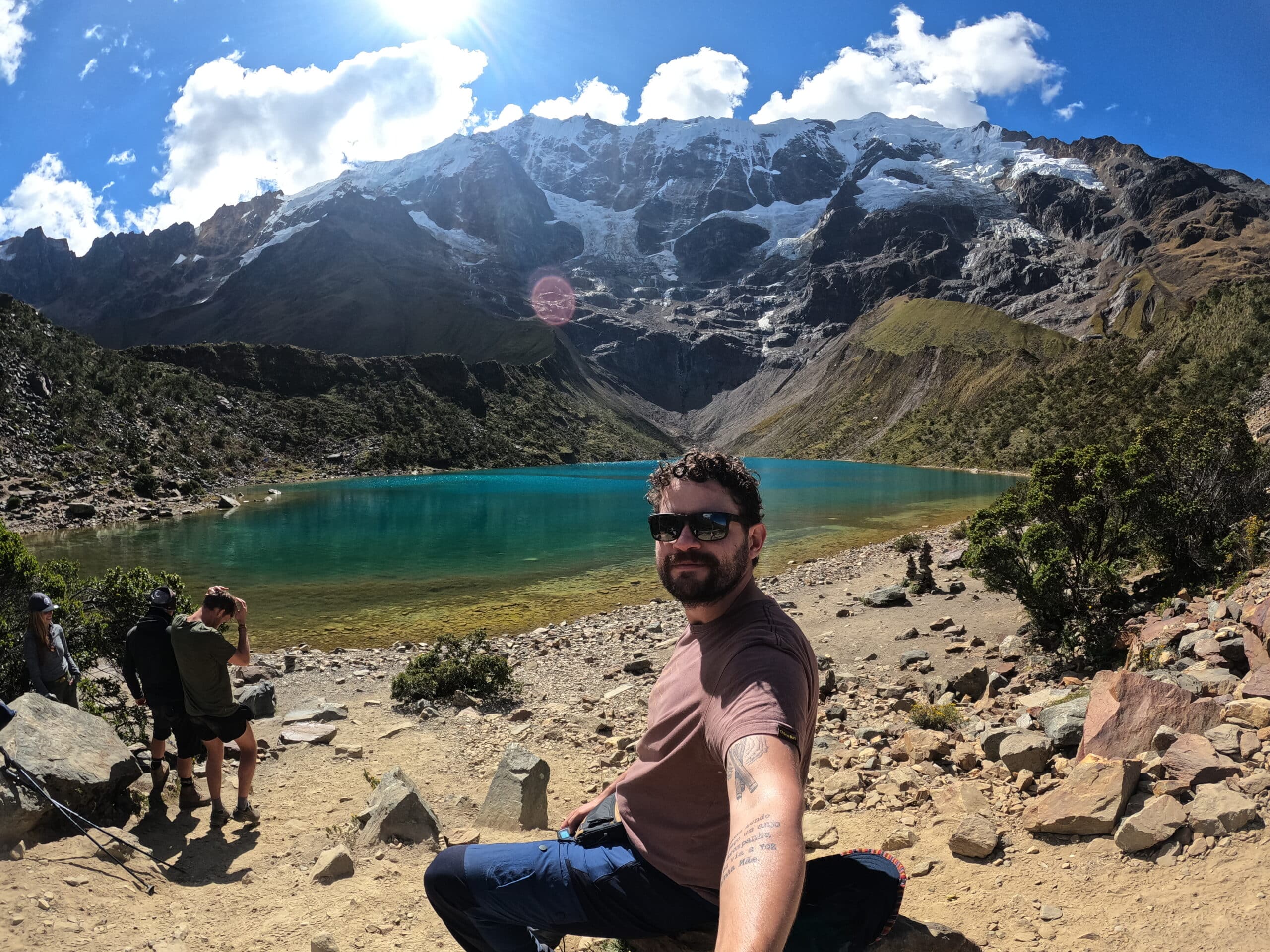 Travel with experts!